
Seu carrinho está vazio no momento!
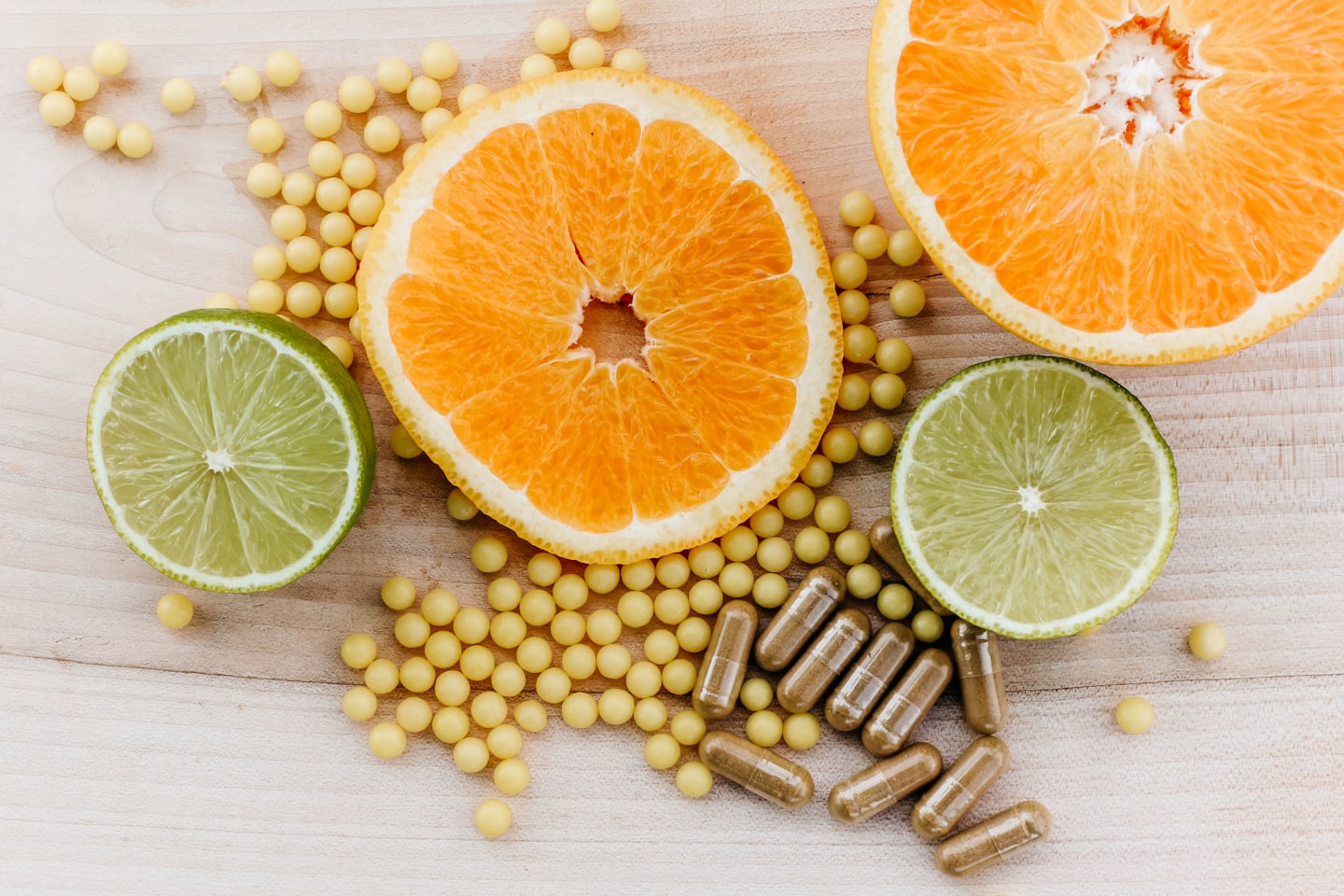
☀️ The Sun and Vitamin D: Nature’s Secret to a Strong and Happy Life
Have you ever noticed how your mood lifts after spending time in the sun?
That warm feeling isn’t just emotional — it’s biological. The sun gives more than light and heat; it helps your body create vitamin D, a vital nutrient for your bones, immunity, and even happiness.
The Sun and Vitamin D: A Vital Connection
Vitamin D is often called “the sunshine vitamin” because your skin produces it when touched by sunlight. Without this natural process, your body becomes weaker, your energy lower, and your mind less sharp.
Health reformer Ellen G. White once wrote:
“Sunlight is one of nature’s most healing agents.”
Her timeless words remind us that sunlight is not just physical — it’s a divine gift that restores both body and spirit.
🌤️ How the Sun Helps Your Body Produce Vitamin D
When sunlight reaches your skin, ultraviolet B (UVB) rays trigger a chemical reaction that produces vitamin D3, the active form used by your body. This vitamin supports your bones, muscles, brain, and immune system.
Factors that Affect Vitamin D Production
- Time of day: Late morning to early afternoon is ideal.
- Skin tone: Darker skin needs more sunlight exposure.
- Age: Older adults naturally produce less vitamin D.
- Sunscreen use: Protects the skin but slightly reduces vitamin D creation.
☀️ Proven Health Benefits of Sunlight and Vitamin D
Modern research confirms what people have sensed for centuries — sunlight brings life.
Studies from Harvard University and Cambridge University show that vitamin D supports nearly every organ in the human body.
🧠 1. Boosts mood and fights depression
Low vitamin D levels are linked to sadness and anxiety. Sunlight increases serotonin, the “feel-good” hormone that helps you stay calm and positive.
🛡️ 2. Strengthens your immune system
Vitamin D activates your body’s natural defenses, helping to fight viruses, bacteria, and chronic inflammation.
🦴 3. Supports bone strength naturally
By improving calcium absorption, vitamin D helps maintain strong bones and teeth — even when calcium comes from plant sources like almonds, sesame seeds, and leafy greens.
❤️ 4. Protects your heart and blood vessels
Research published in the Journal of the American Heart Association shows that good vitamin D levels reduce the risk of high blood pressure and heart disease.
🧬 5. Helps prevent certain cancers
Moderate sunlight exposure helps regulate cell growth and may lower the risk of colon, breast, and prostate cancers, according to studies in the National Institutes of Health (NIH).
🌿 The Balance: Enjoying Sunlight Safely
As with everything in life, balance matters. Too little sunlight can harm your health — too much can damage your skin.
About 15 to 20 minutes of daily sun exposure is enough for most people to meet their vitamin D needs.
Safe Sunlight Habits
- Go outside during mild sunlight hours.
- Let your arms and legs receive sunlight directly.
- Protect your face and eyes with a hat and sunglasses.
- Avoid long, intense exposure without shade.
🌱 Plant-Based Sources of Vitamin D
Sometimes cloudy weather or long indoor days make it hard to get enough sun. Luckily, you can support your vitamin D intake through natural, plant-friendly foods and fortified options.
- Fortified plant-based milk (soy, oat, almond)
- Mushrooms exposed to sunlight
- Fortified cereals and orange juice
- Seeds, nuts, and leafy greens for overall mineral balance
While these foods help, sunlight remains the best and most natural source of vitamin D.
🌞 The Emotional and Spiritual Power of the Sun
Ellen G. White beautifully wrote that sunlight “brings life, color, and joy to all creation.”
Science agrees — sunlight increases endorphins, natural chemicals that improve mood and reduce stress.
When we open our windows, breathe fresh air, and let sunlight touch our skin, we experience both physical healing and emotional renewal. It’s a simple act that connects us to nature and to the Creator’s design for well-being.
🌇 The Hidden Dangers of Vitamin D Deficiency
According to the World Health Organization (WHO), over one billion people worldwide suffer from vitamin D deficiency.
This “silent epidemic” can lead to several health issues that are often mistaken for fatigue or sadness.
Common Symptoms of Vitamin D Deficiency
- Tiredness and muscle weakness
- Low mood or irritability
- Bone pain and frequent colds
- Hair thinning or slow growth
- Trouble sleeping or focusing
If these signs sound familiar, it may be time to step outside and let the sunlight heal your body naturally.
🌻 Sunlight: A Divine Gift for Mind and Body
Beyond its physical power, sunlight is also a reminder of hope and love.
Ellen G. White said:
“Blessed is the one who bathes in the sunshine — a symbol of God’s love that gives life and strength to all things.”
Caring for your health, then, becomes a spiritual act.
When you spend time in natural light, you nurture your body, your mind, and your soul — just as nature intended.
💡 Practical Tips to Embrace Sunlight and Vitamin D Naturally
- Spend time outdoors every day, even briefly.
- Choose plant-based sources rich in nutrients.
- Keep windows open for natural light and fresh air.
- Talk to your doctor about testing your vitamin D levels.
- Avoid overexposure; balance is the secret to health.
❓ Frequently Asked Questions
- How long should I stay in the sun daily?
About 15 to 20 minutes of mild sunlight is enough for most people. - Can I get enough vitamin D without eating animal products?
Yes. Sunlight and fortified plant-based foods can provide what your body needs. - Does sunscreen block vitamin D?
It reduces UVB absorption slightly, but you still get benefits with regular use. - Can vitamin D really boost immunity?
Absolutely. It helps your body defend itself from infections and inflammation. - What’s the best time to get sunlight?
Late morning or early afternoon gives the right balance of safety and efficiency.
Explore Inspiring Stories and Expert Insights
Esta This section highlights the purpose of the blog, offering engaging stories, expert opinions, and valuable insights for readers to learn and grow.



Vegetarianism and Cancer Prevention: The Science Explained

8 Natural Remedies: Principles for a Healthy Life

Healthy Plant-Based Diet: Benefits of a Vegan Lifestyle

The Power of Hydration for Health and Disease Prevention
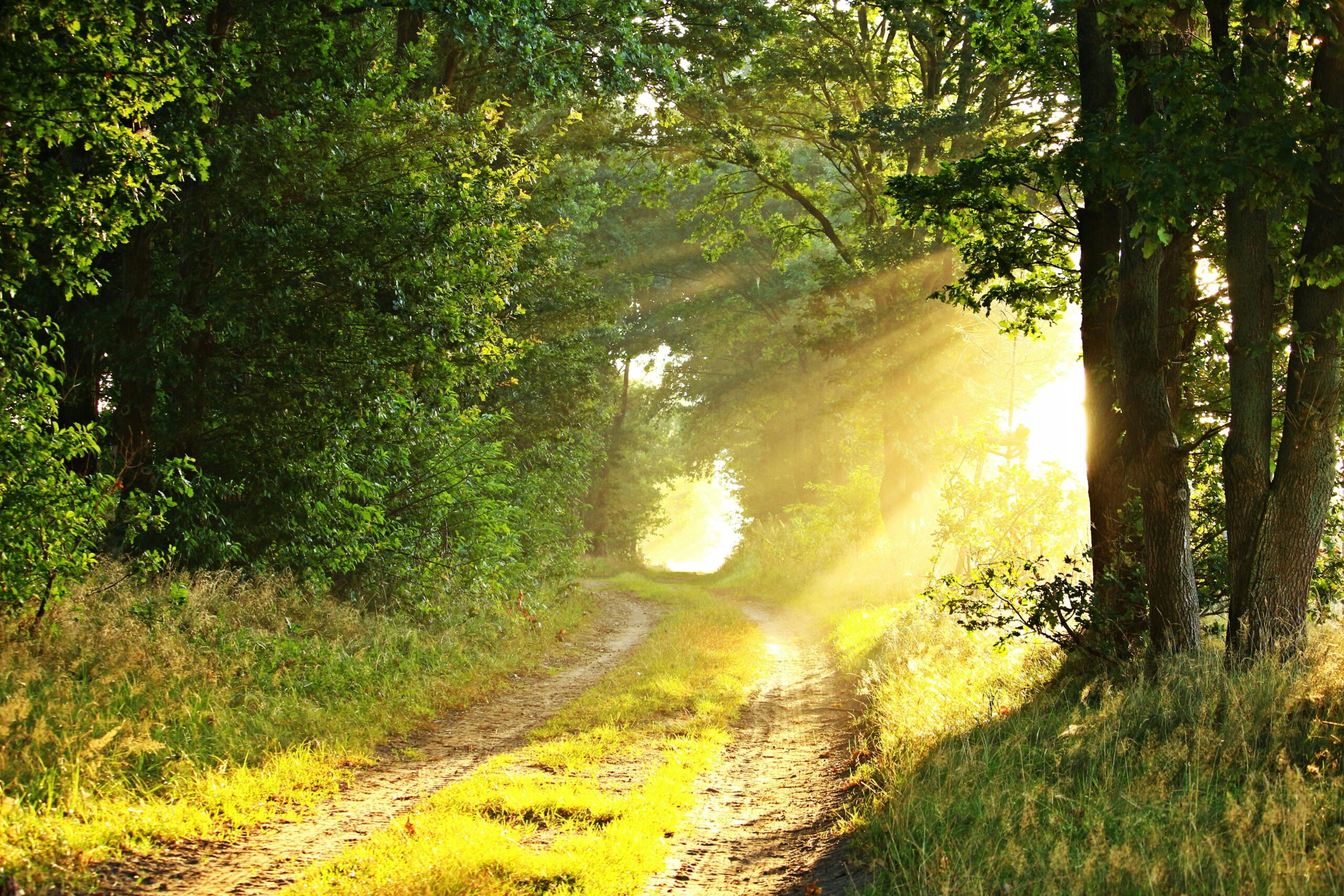
Sunlight Exposure: Scientific Benefits for Health and Disease Prevention

Adequate Rest: The Science Behind Sleep and Its Health Benefits

Exercise: The Natural Medicine for Body, Mind, and Spirit

Pure Air: The Natural Medicine That Strengthens Health and Prevents Diseases
Temperance: The Power of Balance for Physical and Mental Health

Trust in the Power of God: How Faith Heals and Strengthens Health
por
Tags:
Deixe um comentário